
Best Interrail Backpack 2026: The Bag That Got Me Through 5 Weeks Of Backpacking
The right interrail backpack makes or breaks your trip. Here's the exact bag that survived 5 weeks and 15 destinations…
Read MoreYour gateway to exploring Europe, a mosaic of culture, histories, and stories at every step.
Europe is a mosaic of culture, histories, and stories at each step, a new chapter. Europe is home to sophisticated old-world charm with modern innovation and discovery. Rich in history, full of gorgeous, breathtaking architecture, well-connected by transport, and bursting with cultural diversity and customs, every country, and every corner, offers something new to explore.
of Europe Travelled. So far, I have travelled around 18 European countries, and I can't wait to travel more.
Favourite City. One location I will always recommend is Berlin, it's a really cool & retro city to explore.
Interrailing. In 2024 I explored Europe for 5 weeks, starting in London and finishing in Dubrovnik.

The right interrail backpack makes or breaks your trip. Here's the exact bag that survived 5 weeks and 15 destinations…
Read More
If you're a jazz lover planning a trip to Paris, there's absolutely no doubt you'll come across Caveau de la Huchette…
Read More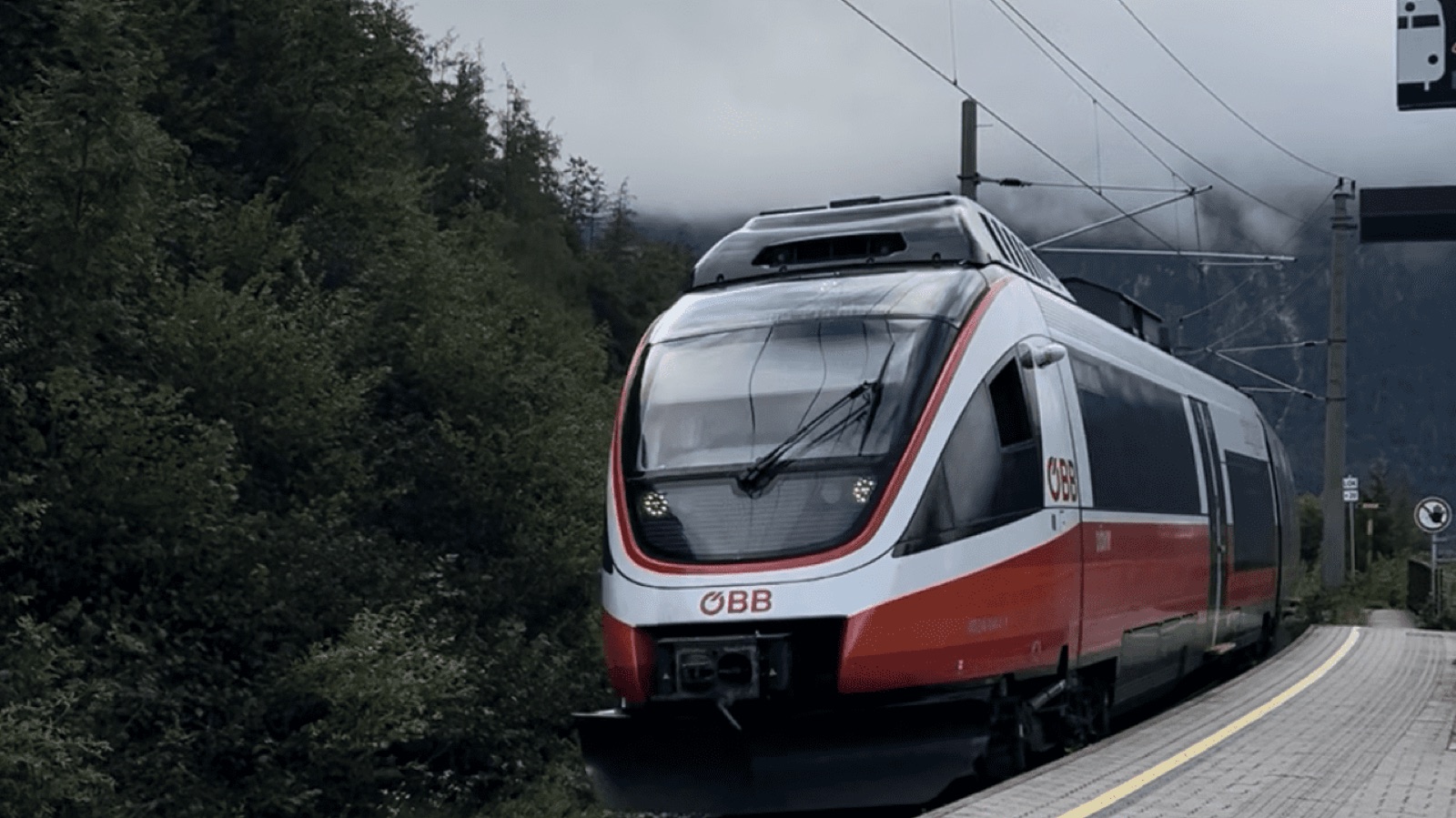
Everything you need to know before booking a Nightjet sleeper, from cabin classes to what to pack.
Read MoreFrom Nordic fjords to Mediterranean coastlines, Europe rewards slow travel and curiosity in equal measure. Discover expert travel guides, insider tips, and planning advice to create your dream European adventure, whether you're interrailing between cities or settling into one region at a time.
Northern Europe is famous for its stunning landscapes, including the Northern Lights, Norwegian fjords, & Swedish forests. With its Viking history, pristine nature, & cities like Helsinki & Reykjavik, it's a top destination for nature & history lovers.
ExploreEastern Europe is known for its rich history, medieval castles, & vibrant, trendy cities like Prague & Budapest. With diverse cultures, stunning landscapes, & beautiful architecture, it's a must-visit for every type of traveller.
ExploreSouthern Europe is famous for its Mediterranean charm, stunning beaches, & cities like Dubrovnik, Lisbon, and Seville. With rich history, delicious cuisine, sophistication, leisurely pace, & vibrant culture, it's a lovely visit for anyone.
ExploreWestern Europe is renowned for its iconic cities, rich history, & cultural landmarks, with destinations like Paris, Amsterdam, & Brussels. From world-class art & architecture to vibrant street life, Western Europe has it all.
ExploreI've been lucky to travel across Europe many times, and one key lesson I've learned is: if you want to visit a tourist trap, go for it! Sure, they can be crowded or overpriced, but if it's something you've always wanted to experience, experience it!
Charlotte Orme Owner | Expert Travel WriterOne thing I've found super useful while travelling around Europe is using a travel card like Revolut. It lets me switch between currencies easily which is especially handy because not every country uses euros.
Alison Orme Expert Travel WriterAs a sports fan, I've travelled to Barcelona for Formula 1 and Bern for Formula E, and those trips are some of my favourites. There's something special about combining a beautiful destination with an event you genuinely care about.
Emma Douglas Guest Travel WriterYou have questions about Europe and we are here to answer them.
Europe shines year-round, so you can't go wrong wherever you go, and whenever you go. January is great for skiing in Austria or France, February suits Venice Carnival or the Norwegian Northern Lights, March brings warmth to Portugal and Southern Spain, April is lovely for Dutch tulips or a Prague Easter, May suits Greece and the Balkans, June brings Croatian festivals or Spanish beaches, July is ideal for the Greek islands or Scandinavia, August suits Romania, Slovenia and the Baltics, September is wine season in France and Italy, October brings autumn colours across Central Europe, November suits city breaks in Prague, Kraków or Edinburgh, and December is perfect for German and Austrian Christmas markets.
Europe is one of the easiest places in the world to travel by train. An Interrail Pass lets you explore multiple countries on one flexible ticket, which suits solo travellers and first-timers well. The trains themselves are beautiful, efficient, and well-connected. Even without a pass, public transport remains reliable for city-hopping and scenic journeys.
There's no fixed price, Europe travel costs vary widely based on your route, length of stay, and travel style. Most trips range from £500 to £3,000+. Savings strategies include Interrail passes, budget airlines, off-season travel, hostels, and local transport cards.
Eastern Europe offers the best value, with Albania, Bulgaria, Romania, Hungary, and Poland all standing out. Portugal, Greece, and Slovenia are also budget-friendly. All offer excellent food, scenery, and experiences on a budget.
Spring (April to June) and autumn (September to October) provide mild weather, fewer crowds, and better prices. Summer offers sunshine and festivals but with crowds, while winter features festive markets and snow.
EU citizens may travel within EU and Schengen countries using national ID cards without passports, though carrying a passport is strongly recommended for borders, banking, and authorities. Non-EU citizens, including UK and US travellers, typically require a valid passport and may need a visa. Always check official government websites for current requirements.
Amsterdam in the Netherlands suits a weekend trip, Venice in Italy is wonderful during Carnival, and Lapland in Finland is a top spot for chasing the Northern Lights.
Bavaria in Germany is ideal for Oktoberfest, Transylvania in Romania suits a Halloween trip to Dracula's Castle, and Lisbon in Portugal offers warm weather without the summer crowds.
Yes, 100%. Even short trips can go wrong, from lost luggage to delays or medical emergencies. Always get travel insurance before you go.